


-

Add: HeBei ShengShi HongBang Cellulose Technology CO.,LTD.
-

Email
13180486930@163.com -

CONTACT US
+86 13180486930

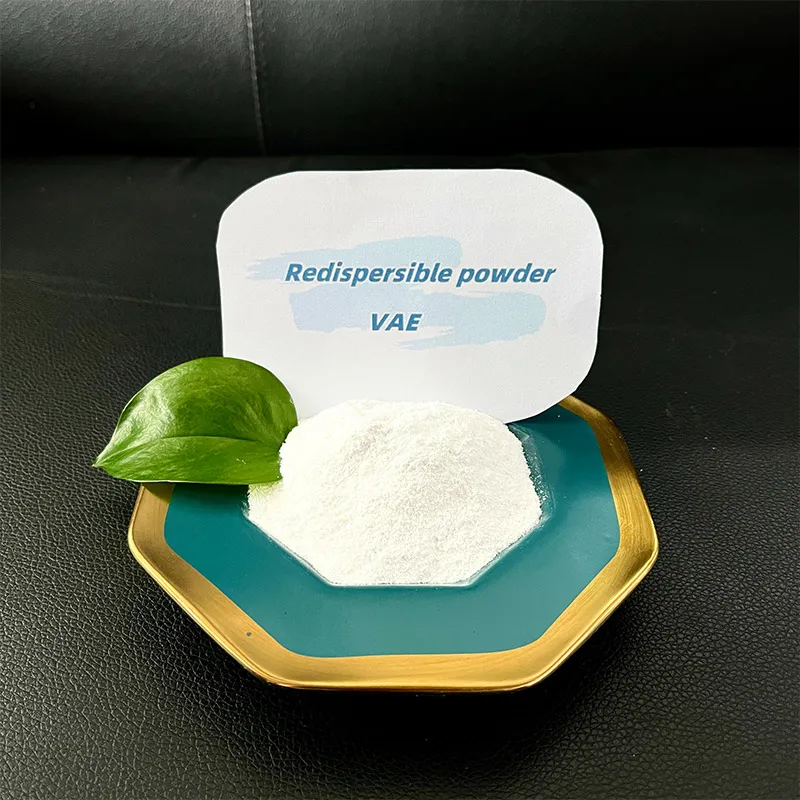


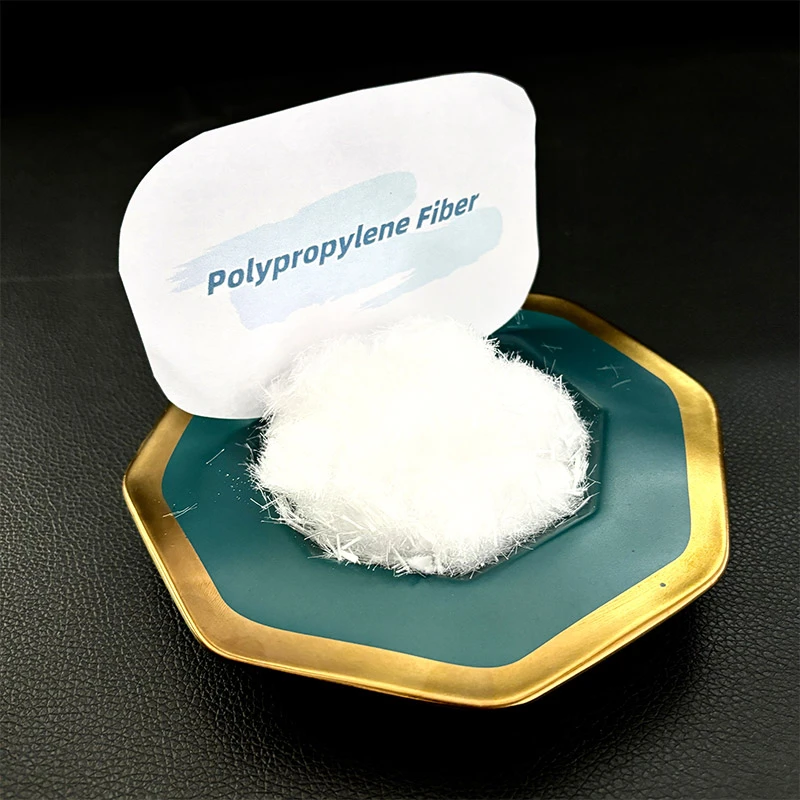
The Cost of Polypropylene Fiber An Overview Polypropylene fiber, derived from the polymerization of propylene monomers, is a synthetic material that has been gaining traction in various industries due to its unique properties and cost-effectiveness. As the demand for durable and versatile materials rises, so does interest in understanding the cost implications associated with polypropylene fiber. This article aims to explore the factors affecting the cost of polypropylene fiber, its applications, and its overall economic impact. Understanding Polypropylene Fiber Polypropylene is one of the most widely used plastics in the world. It is recognized for its lightweight nature, chemical resistance, moisture-wicking capabilities, and structural durability. These characteristics make it an excellent choice for a variety of applications, including textiles, automotive components, and packaging materials. The resulting fiber is soft, resistant to staining, and can be produced in a variety of colors, further enhancing its usability in consumer products. Factors Influencing the Cost 1. Raw Material Prices The primary factor determining the cost of polypropylene fiber is the price of propylene, the primary raw material used in its production. Fluctuations in oil prices significantly impact the cost of propylene, as it is derived from fossil fuels. As global oil prices rise or fall, so too does the cost of polypropylene fiber. 2. Production Technology The method of production also affects costs. Advances in manufacturing technologies can streamline production processes and reduce costs. For instance, the implementation of more efficient machinery or environmentally friendly production methods can yield lower operational costs, which may be passed on to consumers. 3. Supply and Demand Like any commodity, the cost of polypropylene fiber is subject to the laws of supply and demand. In periods of high demand—such as during the surge in production of protective equipment during the COVID-19 pandemic—prices may increase sharply. Conversely, surplus production or a decline in demand can lead to lower prices. costo de fibra de polipropileno 4. Geopolitical Factors Political stability in oil-producing regions can affect the supply and price of propylene. Trade tariffs, sanctions, or conflicts can disrupt supply chains, leading to increased material costs, which in turn influence the cost of polypropylene fiber. 5. Market Competition The competitiveness of the polypropylene market also plays a vital role. The entry of new suppliers can drive prices down, while monopolistic conditions can lead to higher prices. The global nature of the fiber market means that competition from manufacturers in different regions can also affect local pricing. Applications of Polypropylene Fiber The versatility of polypropylene fiber allows for its use in numerous applications. In the textile industry, it is common in the production of carpets, upholstery, and outdoor fabrics due to its resistance to moisture and mildew. The automotive sector utilizes polypropylene fiber for interior components, as it is lightweight and aids in fuel efficiency. Furthermore, polypropylene fibers are utilized in geotextiles for soil stabilization, erosion control, and drainage systems. Economic Impact The economic implications of polypropylene fiber production extend beyond its cost. It supports a range of industries, creating jobs and stimulating economic growth. As manufacturers adapt to changing market dynamics and consumer preferences, innovative uses for polypropylene fiber continue to emerge, driving further demand. In conclusion, the cost of polypropylene fiber is influenced by a variety of factors including raw material prices, production technology, supply and demand dynamics, geopolitical conditions, and market competition. Its diverse applications and economic implications make it a significant player in the manufacturing landscape. As industries continue to seek sustainable and efficient materials, understanding these cost dynamics will be crucial for businesses and consumers alike in making informed decisions. The future of polypropylene fiber is undoubtedly tied to evolving market conditions and technological advancements, promising ongoing relevance in a rapidly changing world.
- 40000tons

Production
- 20+years

Experience
- 5000+㎡

Acreage

-
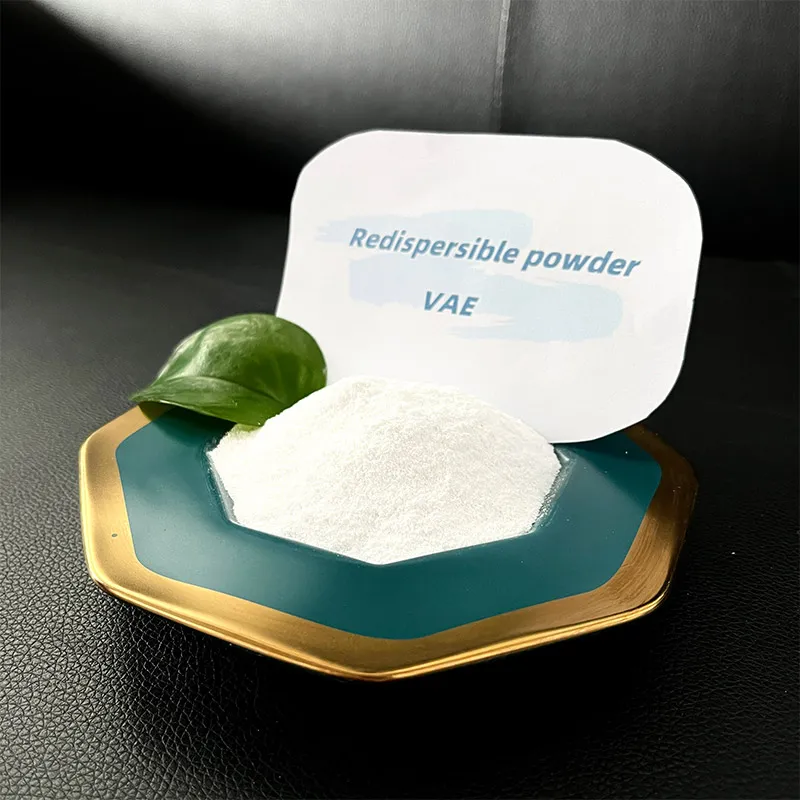
The Impact of Polypropylene Fiber on Concrete Concrete is a widely used construction material, essential for various structures ranging from buildings to bridges. Its properties, including strength and durability, can be enhanced through various additives and reinforcement materials. One such innovation is the incorporation of polypropylene fiber, which has garnered significant attention in the field of civil engineering. This article aims to explore the effects of polypropylene fiber on concrete, focusing on its benefits, mechanisms, and overall impact on structural performance. Polypropylene fibers are synthetic fibers derived from polymer resins. Due to their unique characteristics, including excellent chemical resistance, low density, and strong tensile strength, they are increasingly used as reinforcements in concrete mixtures. The primary role of these fibers is to improve the concrete's mechanical properties, particularly its tensile strength, ductility, and impact resistance. The Impact of Polypropylene Fiber on Concrete In addition to crack resistance, polypropylene fibers also improve the impact resistance of concrete. When subjected to sudden loads or impact forces, concrete can fail catastrophically. The addition of polypropylene fibers enables the concrete to absorb and dissipate energy more effectively, thereby mitigating sudden failures. This is particularly beneficial in applications such as pavements, where heavy traffic loads can lead to material fatigue and eventual failure. epekto ng polypropylene fiber sa kongkreto Moreover, polypropylene fibers enhance the ductility of concrete. Ductility refers to the ability of a material to deform under tension without fracturing. By incorporating these fibers, engineers can design concrete structures that are not only strong but also capable of undergoing significant deformation before failure occurs. This property is especially crucial in seismic areas, where structures must withstand dynamic loads. The mixing process also benefits from the addition of polypropylene fibers. Unlike steel reinforcement, which can corrode and compromise the integrity of concrete, polypropylene fibers are resistant to corrosion. This characteristic is particularly advantageous in harsh environmental conditions, such as exposure to chemicals or moisture. Additionally, the lightweight nature of these fibers does not add significant weight to the concrete mix, making it easier to handle and pour. Despite these advantages, it is essential to consider the appropriate dosage of polypropylene fibers in concrete mixes. Excessive amounts can lead to a reduction in workability, making the concrete difficult to place and finish. Therefore, finding the right balance is crucial to maximize the benefits while ensuring the material remains usable. In conclusion, the incorporation of polypropylene fibers into concrete mixes presents numerous benefits, including enhanced crack resistance, improved impact strength, increased ductility, and durability against environmental factors. These attributes make polypropylene fiber-reinforced concrete an attractive option for various construction applications. As research continues to explore the full potential of polypropylene fibers, it is likely that their usage in the construction industry will expand, leading to safer, more resilient structures. Ultimately, the impact of polypropylene fiber on concrete will contribute to the advancement of modern construction practices, ensuring infrastructure meets the demands of an ever-evolving world.
-
Hydroxypropyl methylcellulose (HPMC) is a versatile cellulose ether that has gained significant traction in various industries, particularly in construction. Its unique properties make it an essential additive in construction materials, enhancing performance and improving the overall quality of building products. This article explores the applications of HPMC in construction, highlighting its benefits and contributions to the industry. What is Hydroxypropyl Methylcellulose? HPMC is a non-ionic, water-soluble polymer derived from cellulose, a natural polymer found in plant cell walls. It is produced through the chemical modification of cellulose, resulting in a compound that exhibits excellent thickening, binding, and film-forming properties. HPMC is available in various grades, each tailored for specific applications, making it a highly adaptable material in construction. Applications of HPMC in Construction Cement-Based Products : One of the primary applications of HPMC in construction is in cement-based products such as mortars, plasters, and tile adhesives. HPMC acts as a thickening agent, improving the workability and consistency of these materials. It enhances the adhesion properties, allowing for better bonding between surfaces, which is crucial for the durability of structures. Water Retention : HPMC is known for its excellent water retention capabilities. In construction, this property is vital for preventing the premature drying of cementitious materials. By retaining moisture, HPMC ensures that the hydration process of cement continues effectively, leading to stronger and more durable concrete. This is particularly important in hot and dry climates where evaporation can compromise the integrity of the mix. Improved Open Time : The open time of a material refers to the period during which it remains workable after application. HPMC extends the open time of mortars and adhesives, allowing construction workers to adjust and reposition tiles or other materials without the risk of the adhesive setting too quickly. This flexibility is essential for achieving precise alignments and finishes in construction projects. Enhanced Flexibility and Strength : The incorporation of HPMC into construction materials can significantly enhance their flexibility and tensile strength. This is particularly beneficial in applications where materials are subjected to stress and movement, such as in flooring systems and wall panels. The improved flexibility helps to reduce the risk of cracking and other forms of damage, contributing to the longevity of the structure. Eco-Friendly Solutions : As the construction industry increasingly shifts towards sustainable practices, HPMC offers an eco-friendly alternative to traditional additives. Being derived from natural cellulose, HPMC is biodegradable and non-toxic, making it a safer choice for both workers and the environment. Its use in construction aligns with the growing demand for green building materials. Compatibility with Other Additives : HPMC is compatible with a wide range of other additives used in construction, such as polymers, pigments, and other cellulose derivatives. This compatibility allows for the formulation of customized products that meet specific performance requirements, making HPMC a valuable component in the development of innovative construction materials. The application of hydroxypropyl methylcellulose in construction is a testament to its versatility and effectiveness as an additive. From improving workability and water retention to enhancing flexibility and strength, HPMC plays a crucial role in the performance of various construction materials. As the industry continues to evolve, the demand for high-quality, sustainable building products will likely drive further innovations in the use of HPMC, solidifying its position as a key ingredient in modern construction practices.
advantages
-

200000 Viscosities
Excellent product
We can produce pure products up to 200,000 viscosities
-

40000 tons
High yield
We don’t stop production all year round, and the annual output can reach 40,000 tons
-

24 hours
Quality service
We provide 24-hours online reception service, welcome to consult at any time
———— Inquiry Form
Schedule A services
-
 fibre_de_polypropylene_a_vendre
Oct . 25, 2025
The Versatile Uses of Hydroxypropyl Methylcellulose Hydroxypropyl methylcellulose (HPMC) is a synthe - malakas_na_sintetikong_hibla
Oct . 25, 2025
When it comes to managing dry eye diseases, particularly Meibomian Gland Dysfunction (MGD), two type -
 thermoplastic_polyurethane_powder
Oct . 25, 2025
Exploring the World of Fibers A Dive into Natural and Synthetic Choices In the ever-evolving landsca


